“Dying Wasn’t an Option”: How a 21-Year-Old Survived Hours in Shark-Infested Water
On a humid August afternoon in 1981, a 17-foot catamaran slipped off the sand of Ormond Beach, Florida, and skimmed over a glassy Atlantic. Twenty-one-year-old waitress Tamara Ennis was riding the rare rhythm of a day off—sun on her shoulders, friends at her side, the shoreline a pale ribbon behind them.
By nightfall, she would be alone in open water, fighting riptides and circling sharks with nothing but a swimmer’s instincts and a decision she repeated like a prayer: keep going.
The capsize
Tamara had launched with friends—Randy Cohen, his girlfriend Christy Wapniarski, and boat owner Daniel Perrin. A mile out, dark clouds muscled in. Lightning spidered across the horizon. They pushed farther, hoping the squall would blow past.
It didn’t. A leak opened in one pontoon. The catamaran flipped. Three miles from shore, with no life jackets, they clung to the remaining hull and watched the sky bruise into night.
A Coast Guard search passed close enough to spike their hope—but missed them. After that, there was only the hiss of rain, the slap of waves, and the awful quiet that comes when people start making peace.
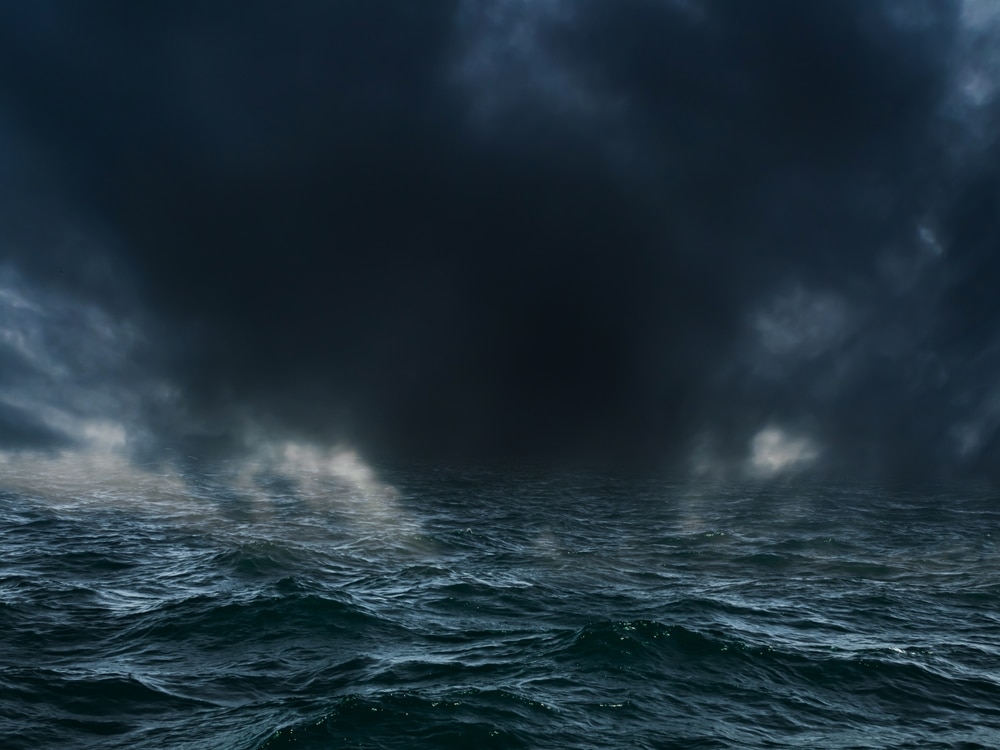
“The reality hit us, and we were just quiet,” Tamara recalled. “I had a sense Christy knew she was going to die.”
The decision to swim
At first light, the ocean looked less like a threat and more like a plan. Tamara had been a high-school swimmer. She talked the group through a course toward the thin line of beach and promised Christy—19 and unable to swim—that the salt water would help her float when her legs gave out.
They slipped off the overturned hull and began to stroke.
An hour later, the ocean turned violent. Tamara heard Christy scream for Randy. She turned and saw the surface break—thrashing, a flash of pale limbs—and then the unmistakable, cinematic lift and drop that sears itself into anyone who’s ever watched Jaws.
A shark had taken Christy.
“She went straight up and straight back into the water,” Tamara said. “The last time I saw her, she went face down. She was completely pale. I knew she’d lost all her blood.”
“Think like a fish”
Shock narrowed into a single, urgent thought: That’s not how I’m going to die.
Tamara didn’t look back again. A hard bump against her hip announced another shark. She didn’t thrash. She slowed her breathing and—absurd as it sounds—talked herself into the water instead of out of it.
You belong here too. Be a fish. Be calm.
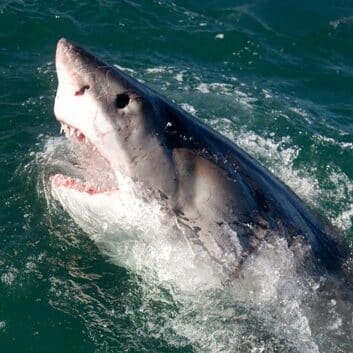
Hours blurred. The currents shouldered Randy and Daniel away from her until she couldn’t see their heads anymore. Somewhere behind, a feeding frenzy worked the surface. Ahead, the shore wasn’t getting closer because a rip tide was gritting its teeth and dragging her sideways.
She changed tactics. Swam across the rip instead of into it. Counted survival in tiny increments—one minute, five minutes, one hour. Thought about family. Thought about the future. Refused the undertow of panic.
By late morning, a lifeguard scanning the chop at Ormond Beach spotted a lone swimmer 100 yards offshore. When he reached her, Tamara’s first words came out like a report:
“I’ve just swum about nine miles. There’s a boat out there. One person’s dead. There are a couple of guys—I don’t know if they’re dead or alive.”
Aftermath
Within an hour of Tamara’s rescue, police found Daniel walking the beach—stunned but uninjured. Randy was located soon after and airlifted to the hospital. Christy’s body was never recovered.
Looking back, a Coast Guardsman offered the hard advice many survivors hear: the group should have stayed with the overturned boat. Tamara doesn’t argue that point; she simply knows the choice she made is the one that kept her alive.
Remarkably, she returned to working on boats in the Bahamas. She still won’t swim in dark water. But the ocean didn’t take her life; it recalibrated it.
“Dying wasn’t an option,” she said. “I kept telling myself: I made it another minute. Another five. Another hour. Keep going.”
What likely saved her
-
A swimmer’s mindset. Streamlined strokes, controlled breathing, and energy conservation matter when hours stretch ahead.
-
No panic. Sharks are triggered by splashing and erratic motion; she stayed smooth and steady.
-
Reading the water. Swimming across the rip broke the current’s grip and let her angle back toward shore.
-
Micro-goals. Counting time in small wins kept fear from spiraling and maintained focus.
-
A plainspoken SOS. When help arrived, she delivered clear, actionable information that accelerated the search for her friends.
The lesson she carried home
Some terrors only end when you outlast them. On that August morning, three miles off Florida’s coast, survival wasn’t a cinematic rescue or a single heroic act. It was thousands of quiet, disciplined choices—stroke after stroke, breath after breath—anchored by a stubborn refusal to surrender.
Forty-plus years later, the ocean still has its mysteries. Tamara’s isn’t one of them. She tells you exactly how she lived:
“I kept good thoughts. I didn’t let the negative ones win. And I kept swimming.”
