Jimmy Cliff—the magnetic reggae trailblazer whose voice carried joy, rebellion, heartbreak, and survival—has died at 81. Known for classics like “Many Rivers to Cross,” “You Can Get It If You Really Want,” and the searing protest anthem “Vietnam,” he poured soul into every note. Today, the world mourns the loss of a GRAMMY-winning icon whose influence stretched far beyond Jamaica.
If Bob Marley is often regarded as the “God of Reggae,” then Jimmy Cliff was the genre’s “Jesus Christ”—a figure who didn’t invent reggae but reshaped its destiny and carried it across oceans.
His booming, unmistakable voice reached millions through his soaring rendition of “I Can See Clearly Now” and the timeless emotional depth of “Many Rivers to Cross.” Raised in deep poverty, Cliff clawed his way from almost nothing to become reggae’s first true global superstar, opening doors that others—Marley included—would later walk through.
His wife, Latifa Chambers, confirmed the heartbreaking news. In a statement shared across Cliff’s social media, she and the couple’s children revealed that he passed away after “a seizure followed by pneumonia.” Details remain private, but their gratitude to fans was clear: “Your support was his strength throughout his whole career.”
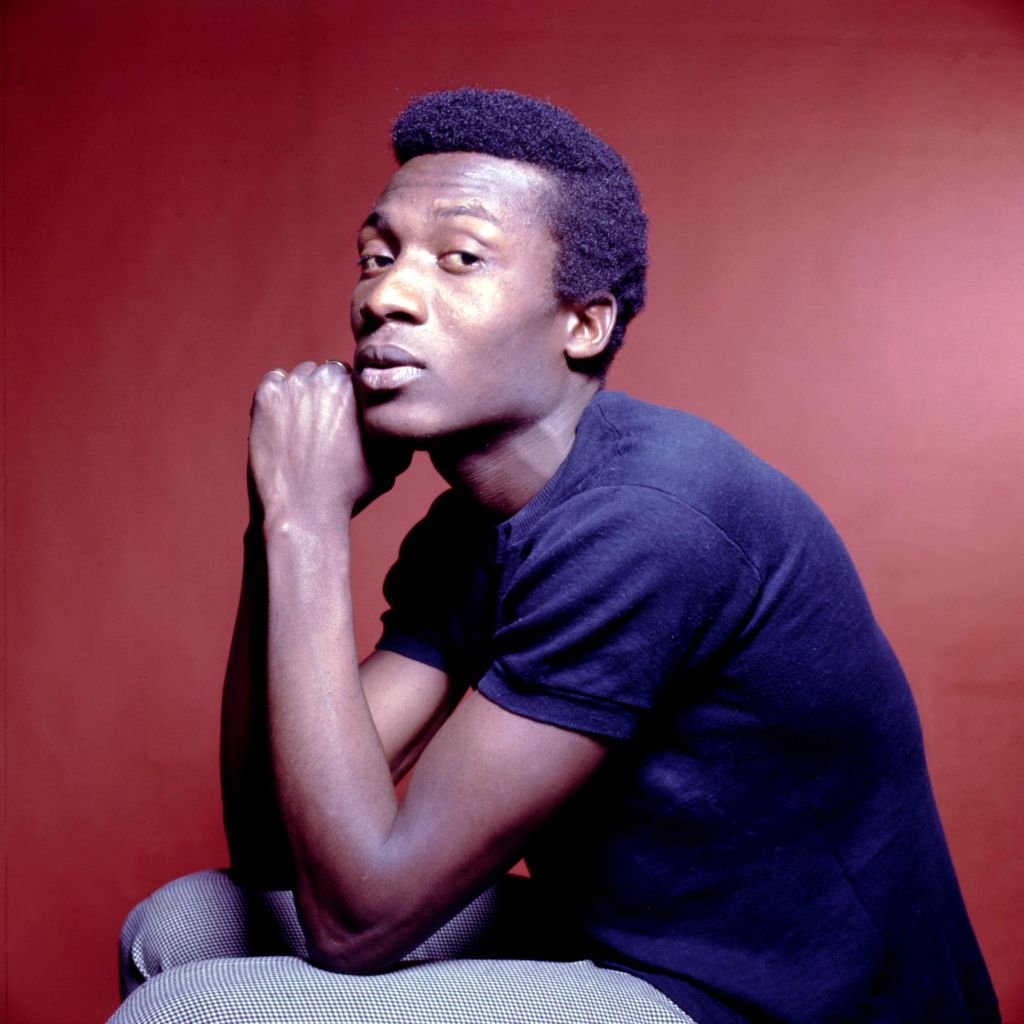
Jimmy Cliff’s rise began in Kingston’s bustling music scene, where he emerged as a teenage talent in the 1960s alongside Bob Marley, Toots Hibbert, and Peter Tosh. His distinctive tenor, sharp lyricism, and natural charisma made him impossible to ignore. Inspired by Stevie Wonder, Marvin Gaye, and Miles Davis, Cliff described reggae as music “born of the poorer class… from the need for recognition, identity and respect.”
His life—and his legend—transformed forever in the early 1970s when he starred as Ivanhoe “Ivan” Martin in the groundbreaking Jamaican film The Harder They Come. The story of a young musician chewed up by the system mirrored the raw realities of Jamaica at the time: rapid urbanization, rising crime, and a music industry that exploited its own. The film, which took years to fund, became Jamaica’s first global cinematic hit and a cultural milestone.
Cliff’s performance was electric—equal parts vulnerability and defiance—and the soundtrack, featuring classics like “Sitting in Limbo” and the explosive title track, became one of the greatest movie soundtracks ever produced. He later said that seeing his face plastered on London buses for the film felt surreal: “Back in those days, there were few of us who came through the cracks to get any kind of recognition.”
“Many Rivers to Cross,” one of his most powerful songs, was born out of personal frustration and struggle. “I saw my hopes fading,” he told Rolling Stone, and he poured that pain directly into the music.
Despite his early peak, Cliff never stopped creating. Over the decades he collaborated with the Rolling Stones, Wyclef Jean, Sting, and Annie Lennox. His music found unexpected fans everywhere: Nicaragua’s Sandinistas adopted “You Can Get It If You Really Want” as a campaign anthem, while Bruce Springsteen boosted Cliff’s U.S. recognition with his cover of “Trapped” for We Are the World. John Lennon, Cher, UB40, and countless others covered his songs.
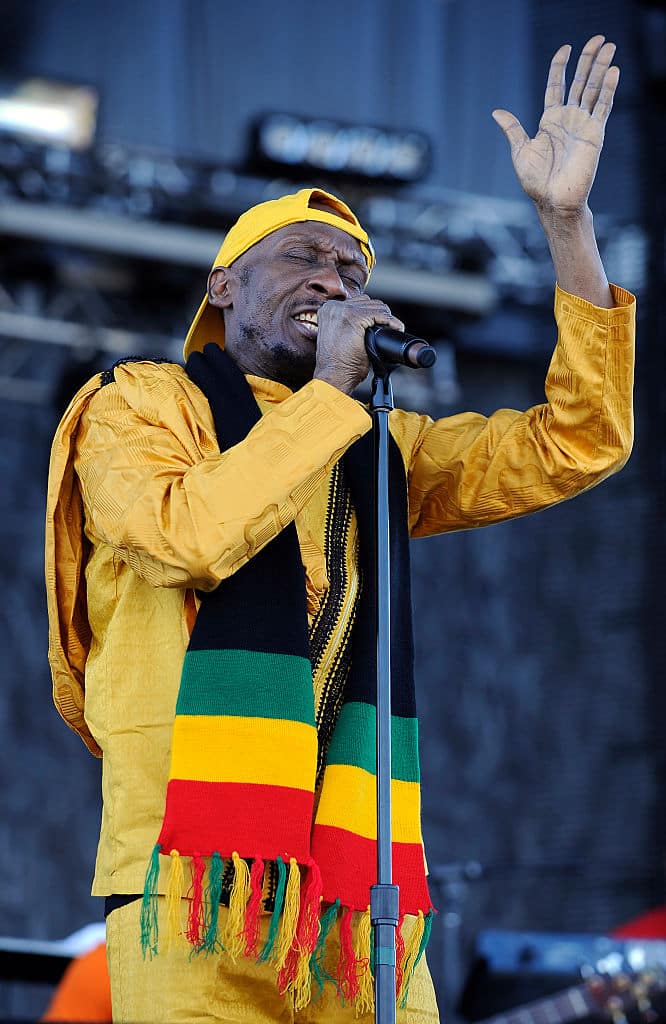
He earned seven Grammy nominations and won twice for Best Reggae Album—first with Cliff Hanger in 1986, and again in 2012 with Rebirth, a triumphant creative comeback. He was inducted into the Rock and Roll Hall of Fame, awarded Jamaica’s prestigious Order of Merit, and given the title of Reggae Ambassador. Montego Bay even renamed its famous “hip strip” Jimmy Cliff Boulevard in his honor.
By the late ’60s, he had signed with Island Records and released hits like “Wonderful World, Beautiful People,” his tender cover of Cat Stevens’ “Wild World,” and the fiery protest song “Vietnam,” inspired by a friend deeply scarred by the war.
Through it all, Jimmy Cliff remained a symbol of perseverance—soft-spoken in person, but a force of nature the moment he stepped onstage.
We have lost a legend, a cornerstone of music, and one of Jamaica’s brightest sons. Jimmy Cliff’s voice, his spirit, and the roads he paved will echo for generations. His music will remain a reminder that he was here—and that he changed the world with nothing but his voice and his courage.
Rest in peace, Jimmy Cliff. Your rivers have been crossed, but your legacy flows on forever.
More From Daily Positive
 When payment could occur
 Great benefits of chicken feet Greetings to all of you, my dear and appreciated readers. Today I want you to know and enjoy the health benefits of chicken feet. Eat them in broths, well cooked or whatever you like.Buy vitamins and supplements Though chicken feet do not look like they make you want to eat them in one bite, this small food contains great properties that you never imagined
 The True Meaning Behind Green Porch Lights
 Just 14% Figure Out Correct Number Of Holes In T-Shirt
 My grandpa was the stingiest man who ever lived.
 I Took My Mom to Prom Because She Missed Hers Raising Me – My Stepsister Humiliated Her, so I Gave Her a Lesson She'll Remember Forever