She spent years backstage, ironing shirts between performances just to earn a place to sleep. At times, she couldn’t even afford a subway token, walking miles across New York City just to make it to auditions. Her journey to becoming a celebrated actress didn’t begin in front of a camera, but in the shadows—off-script, unseen, and steeped in determination.
Growing up, compliments on her appearance were unheard of. In her family, modesty wasn’t just encouraged—it was expected. She was raised in Charleston, West Virginia, where structure and discipline shaped every part of daily life. Her father, Billy Jack, worked as a chemical engineer, and her mother, Patricia, taught English. Together, they raised three daughters with strict rules about appearance. Makeup was forbidden, as were manicures, colored hair, or trendy layers. The goal was to be wholesome, not fashionable.
Beauty wasn’t discussed in their home. She doesn’t remember her parents ever saying she was pretty. Instead, the family prioritized education, hard work, and humility. She and her sisters, Melissa and Susannah, were taught to value consistency over appearance, and their mother made sure looks were never treated as a measure of worth.
When she arrived at college, it came as a shock to hear someone describe her as attractive. But long before she began to understand her own beauty, she often felt overshadowed by her older sister, Melissa—a high-achieving student known for her brains, leadership, and poise. By comparison, she struggled to find her place.
As a teenager, she secretly applied makeup in school, often borrowing techniques from theater productions. She didn’t know how to use cosmetics properly and layered on thick foundation and dramatic blush meant for stage lights, not hallways. In hindsight, she found those old photos mortifying—her face pale and overdone, her expression more theatrical than natural.
Yet on stage, she felt grounded. Performance gave her the sense of identity she lacked elsewhere. She began dancing at a young age and trained in ballet for nearly a decade, driven more by discipline than talent. While she initially majored in chemistry, everything changed after reading “Crimes of the Heart.” It ignited something in her, and she switched her major to drama.
Her parents supported the change quietly. Her mother later admitted that her father feared she’d struggle financially—but he never said a word to discourage her. Throughout college, she supported herself with part-time jobs: working retail, babysitting, and performing in regional theater. One summer, she scrubbed toilets and built sets to stay involved in productions.
After graduating, she joined the Georgia Shakespeare Festival, performing in a musical that eventually moved to a small theater in a Florida strip mall. With no union protection and minimal pay, she offered to help with laundry in exchange for a roof over her head. She ironed 35 cast members’ shirts eight times a week, just to stay afloat.
When the Florida production ended, she moved to New York without a safety net. She answered a bulletin board ad and ended up living on the kitchen floor of a stranger’s apartment, sleeping on a futon for nine months. She walked to auditions because she couldn’t afford the subway and landed three small jobs her first day in the city. She introduced herself to anyone who would listen with nothing more than confidence and a headshot.
Money was tight. At times she earned just $150 a week. But she didn’t complain—she was grateful to be there, pursuing what she loved. Eventually, her determination began to open doors. In 1998, she landed a small part in “Felicity,” appearing in three episodes. It wasn’t a breakout role, but it was a start.
Even as she began booking steady work, her view of herself remained unchanged. She didn’t expect to be seen as beautiful. That’s why a passing comment in college stayed with her. A fellow student told her the seniors thought she was pretty. She was stunned. “Are you sure you have the right person?” she remembered thinking.
That once-invisible girl from West Virginia was slowly becoming recognizable. Her name—Jennifer Garner—was beginning to mean something in Hollywood. But she still hadn’t quite figured out makeup. Despite owning expensive products, she joked that she had no idea what to do with them. “If I used it, I would just look bruised,” she said.
On a 2024 podcast, she laughed about how she wore full pancake stage makeup in college, thinking it was appropriate for daily life. “I have a white circle. It’s so bad. So, so bad,” she admitted. But what made her stand out wasn’t how she looked—it was how little she tried to pretend.
Garner became known for her down-to-earth presence, whether on red carpets or in everyday life. Her uniform consisted of jeans, sweaters, sneakers, and a no-nonsense approach to fame. She raised three children while balancing work and family, making frequent trips back to West Virginia to stay connected to her roots.
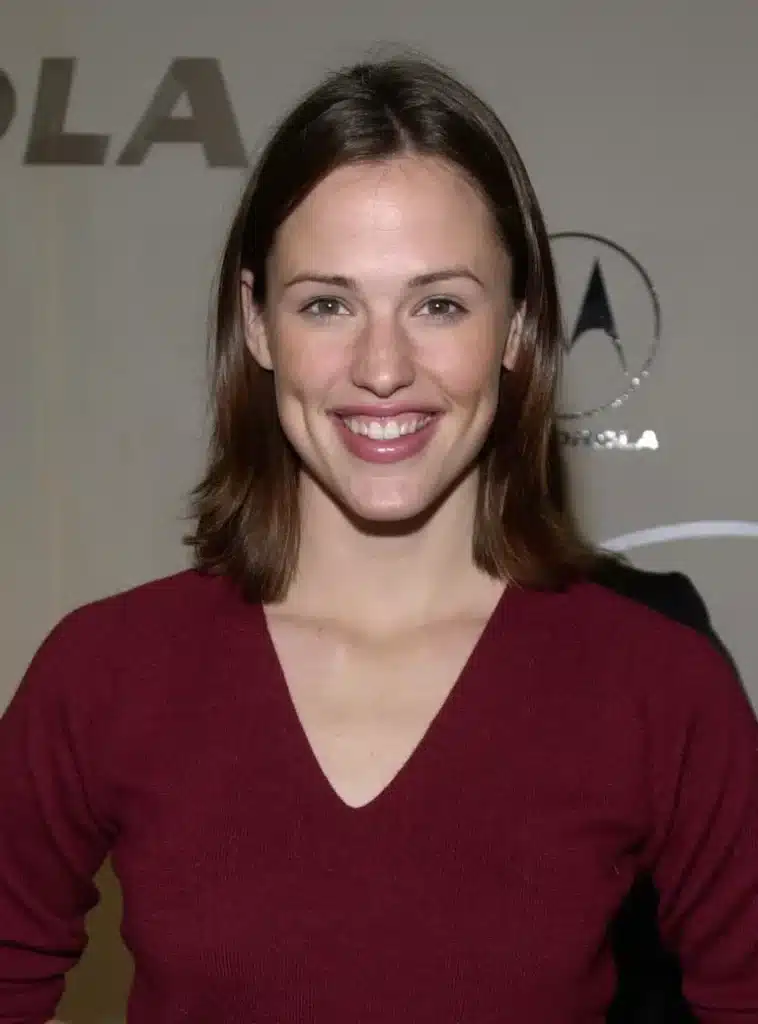
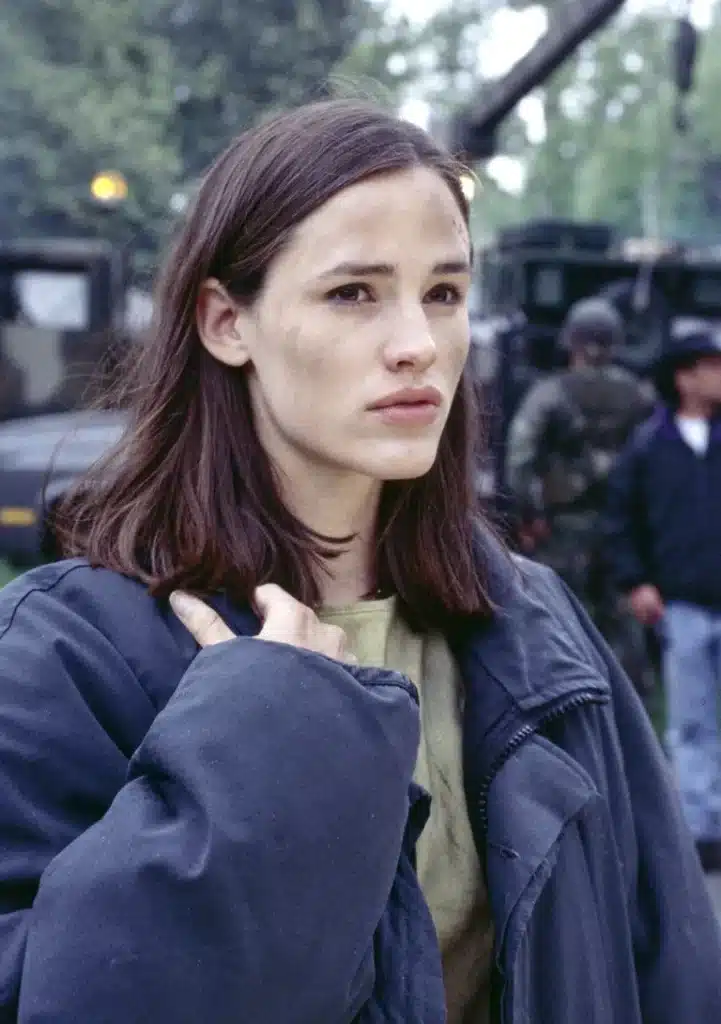
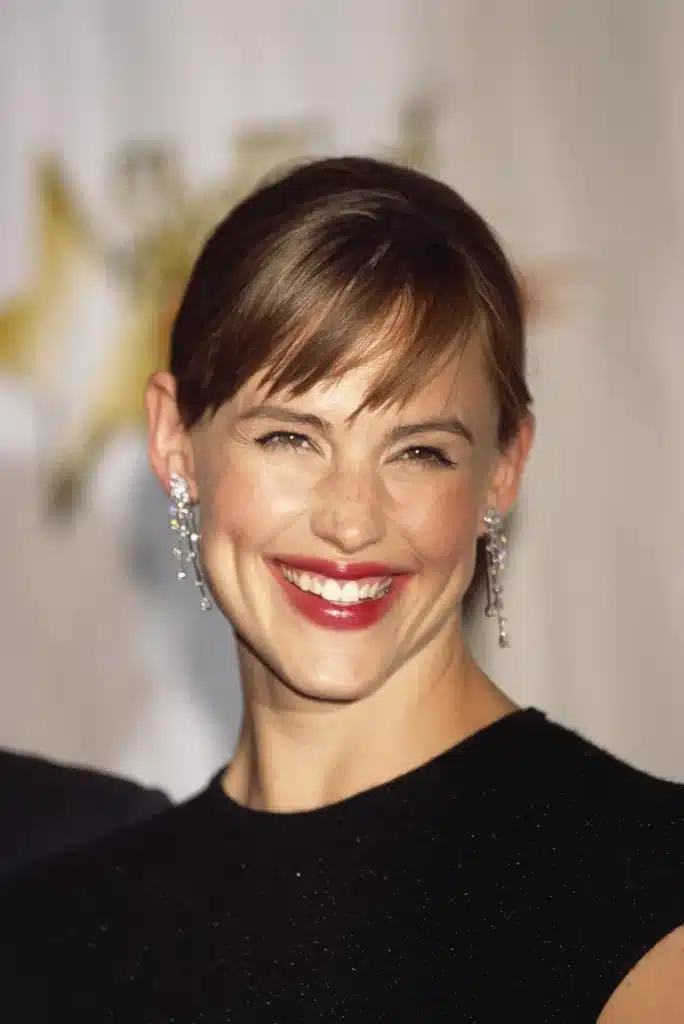

In addition to acting, she co-founded Once Upon a Farm, an organic baby food company, and partnered with Save the Children, dedicating time to outreach in underserved communities. Even amid challenges, including a very public divorce, she kept her private life grounded and her focus on what mattered.
When her father passed away in 2024, she paid tribute to him with quiet grace. She described him as a gentle, devoted girl dad—a man who taught her strength through patience and faith. “We are grateful for Dad’s gentle demeanor and quiet strength,” she wrote.



At 53, Garner’s journey has come full circle. She rose to prominence not by playing a part, but by staying true to the person she was raised to be. Her story is one of perseverance and quiet confidence—not built on image, but on values that never wavered.
She didn’t transform to fit in. She remained grounded, modest, and deeply human. And today, she is admired not only for the roles she’s played, but for the strength, consistency, and authenticity that have defined her all along.
