A lot of these “science-backed” claims are either overstated, context-dependent, or better framed as possible advantages rather than hard facts. Here’s a cleaner, more accurate, and body-positive rewrite:
Why Smaller Breasts Can Be a Real Advantage
Body ideals change constantly, but confidence doesn’t have to depend on trends. Many women spend years feeling pressured to match a certain image, only to realize later that what once felt like a flaw can actually come with real practical benefits.
Smaller breasts are not something to “make up for.” In many cases, they offer comfort, flexibility, and even some health-related advantages. And while everyone’s body is different, there are several well-supported reasons why a smaller bust can be a genuine plus.
1. They may be more sensitive
Some research suggests that smaller breasts can be more sensitive to touch than larger breasts, possibly because larger breasts often contain more fatty tissue and may have lower skin sensitivity in some areas. That does not mean this is true for every woman, but it is a real finding in the literature.
2. They often create less strain on the body
One of the clearest advantages is physical comfort. Larger breasts can contribute to back, neck, and shoulder strain, and may also be associated with postural changes over time. Smaller breasts usually place less mechanical load on the upper body, which can make everyday movement more comfortable.
3. Clothing is often easier to fit
Button-down shirts, structured tops, and fitted dresses tend to sit more smoothly on a smaller chest. Many women with smaller breasts find they need fewer alterations and deal with less pulling, gaping, or support-related frustration. This is not a medical claim, just a very real everyday convenience.
4. Activewear and movement can feel easier
Exercise, running, and hot-weather dressing can be simpler with a smaller bust, especially because less support is usually needed. That can make sports bras, swimsuits, and summer clothing more comfortable and practical.
5. Sagging is often less pronounced over time
Because smaller breasts typically weigh less, they are generally less affected by gravity. That does not mean they do not change with age, pregnancy, or weight shifts, but the degree of sagging is often less dramatic than in heavier breasts. This is one reason smaller breasts may keep a firmer shape longer.
6. They can make some style choices more versatile
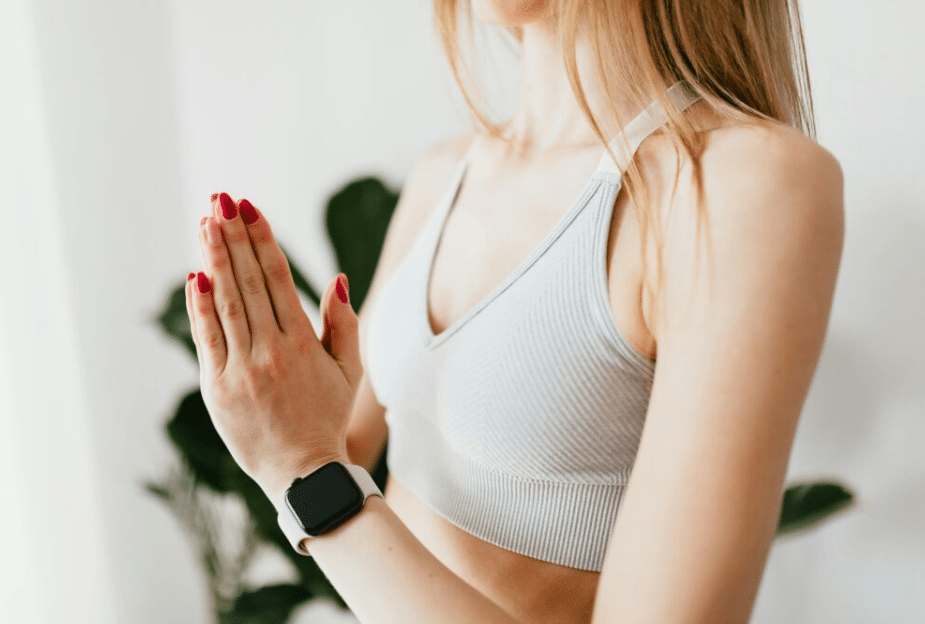
Minimal bralettes, open-back looks, bandeaus, and sleek vintage silhouettes often work especially well on smaller frames. For many women, that means more freedom in fashion rather than less.
7. They may be easier to evaluate by touch
Smaller breasts can sometimes make physical changes easier to notice simply because there is less volume to examine. That said, breast cancer risk is not determined by breast size, and breast density cannot be judged by touch or appearance alone. Mammograms, not self-exams, determine breast density.
8. Preference is personal, not universal
Claims that one breast size is objectively more attractive than another should always be treated cautiously. There is research showing that some male preferences for larger breasts correlate with stronger sexist or objectifying attitudes, but that does not mean attraction works the same way for everyone. Human preference is shaped by culture, personality, experience, and individual taste.
9. Comfort matters more than trends
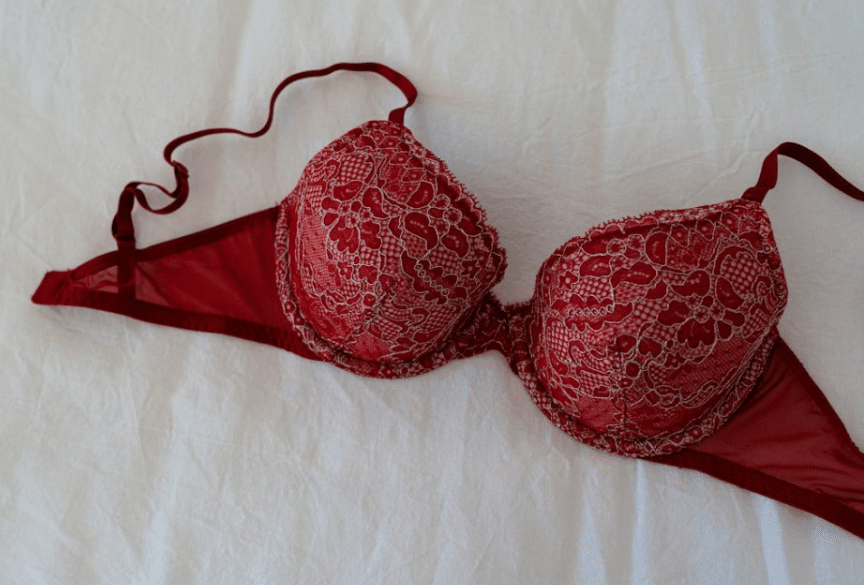
Perhaps the biggest advantage is this: smaller breasts often allow for greater ease in daily life. Less pain, less restriction, fewer support issues, and more flexibility in clothing and activity can all add up to a quieter kind of confidence—one rooted in comfort, not comparison.
Bottom line
Smaller breasts do not need to be defended, fixed, or explained. They are simply one normal variation of the female body. And in many cases, they come with meaningful advantages—from comfort and mobility to fit, sensitivity, and long-term ease.
The best body standard is not whatever happens to be fashionable right now. It is the one that lets you feel at home in yourself.
More From Daily Positive
 My Husband Convinced Me to Be a Surrogate Twice – When He Paid His Mom's Debt, He Left Me
 Trump shares new brutal social media post about Obama
 Gynecologist explains what female ejaculation actually looks like
 My Stepmom Left Everyone $1 Except Me – When I Found a Letter in Her Wardrobe, I Finally Understood Why
 Family flees courtroom as audio reveals Athena Strand’s final heartbreaking 4-word question
 My husband bu:rned my only decent dress so I couldn’t attend his promotion party.